

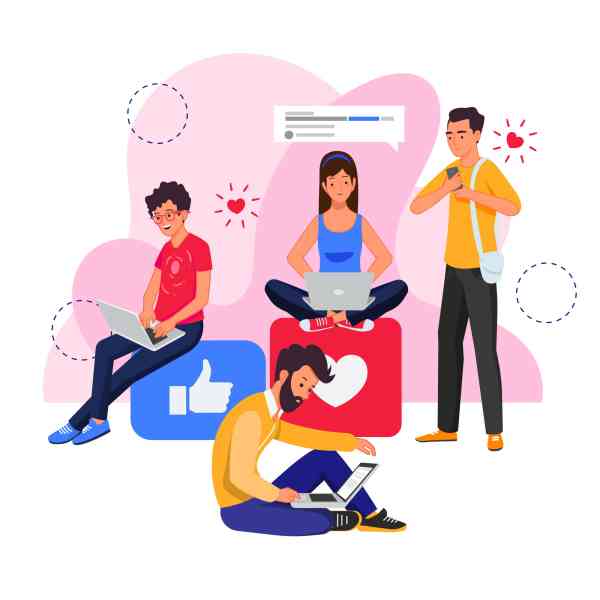
Ever noticed how some random reel or meme suddenly takes over your feed, while others—sometimes better ones—just sink without a trace? I’ve often wondered the same. And the funny part? Most of the time, it’s not about big production or expensive ads. It’s about the psychology behind it.
Yes, people instantly share it because they could quickly relate to it, or because it’s trending and they don’t want to miss out on the trending topic and join the conversation. Let us explain it in simple language.
1. Emotions Are the Real Trigger
Think about the last time you shared a post. Was it because it gave you a “meh” reaction? Nope. There is a huge chance you shared it because you enjoyed it, you laughed for sometime, or it surprised you, or hit an emotional nerve.
- Humor: The whole “Binod” meme thing. It was nonsense, yet hilarious. People loved being part of the joke.
- Awe: Remember when Chandrayaan-3 created history? Social media was flooded with videos, updates, and reactions. What do you think? It was only a news? No, it was pride and amazement rolled together.
- Inspiration: The Ice Bucket Challenge wasn’t just people tipping cold water on themselves. It was about standing up for a cause, and that’s what made people join in.
This is a major reason why the best social media agencies in India don’t just post polished ads. As they have experience with trend-setting content, they know it very well if you can stir emotion, laughter, tears, or goosebumps, people will definitely share it without even thinking twice.
2. Social Proof (aka the Crowd Effect)
Here’s the thing: people copy people. If a post already has a thousand likes or shares, we assume it must be worth our time. That’s social proof.
Take Zomato’s tweets, for example. They’re witty, but what really gets them viral is the flood of retweets that follows. Once your timeline is full of the same joke, you feel like you have to engage, otherwise you’re out of the loop.
This is why the best social media agencies in India sometimes use influencers at the start. Once it looks popular, it snowballs. The more people share, the more others want to share too.
3. Timing Makes or Breaks It
Even the funniest post can flop if it shows up when nobody’s online. Timing is underrated.
For example, Swiggy often posts food-related memes around lunch and dinner hours. Makes sense, right? People are scrolling with hunger in their heads. Same goes for motivational content in the morning, perfect time to hit when people want a little push.
That’s why the best social media agencies in India spend time studying audience habits. Post at the wrong time, you’re invisible. Post when your audience is most active, and you double your chances of going viral.
4. The Belonging Factor
We share stuff because it reflects who we are. A fitness meme? Gym folks will share it immediately. A heartfelt family video? Parents will tag their kids.
One campaign that always comes to my mind is Ariel’s “Share the Load.” It worked because it wasn’t just about detergent, it was about family and equality. People connected with it and wanted to show others, “This is important to me too.”
Relatability is the magic word. If people can see themselves in the content, they’ll proudly spread it.
Wrapping It Up
At the end of the day, content goes viral not because of luck alone, but because it hits the right buttons, emotion, timing, relatability, and social proof.
So the next time you hit “share,” think about it. Was it funny? Did it inspire you? Did it feel like “this is so me”? That little spark inside you, that’s the psychology brands try to capture.



Leave a Reply